
Updated: September 02, 2026
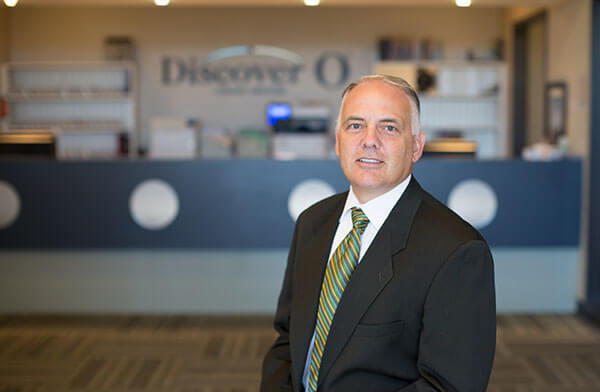
Dr. John Doane has personally implanted the Light Adjustable Lens in more than 3,000 eyes, making him the top implanter of this lens in the country.
For someone in Kansas City who is considering having cataract surgery, that figure is important since it shows that the surgeon who is examining your eyes has more hands-on experience in adjusting this particular lens than any other surgeon currently in practice, and it indicates that he has spent many years putting together the team and the follow-up procedure that enable each of those adjustments to work.
Most intraocular lenses are set to a certain power before cataract surgery. The surgeon measures the eye, calculates a target power, and implants a fixed lens that cannot be changed once it is in place.
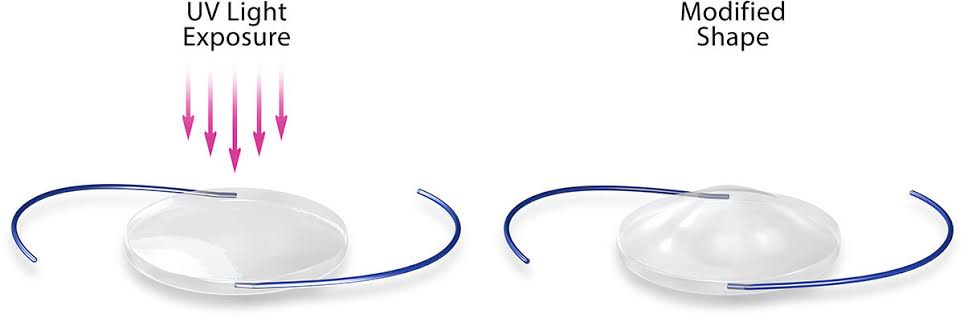
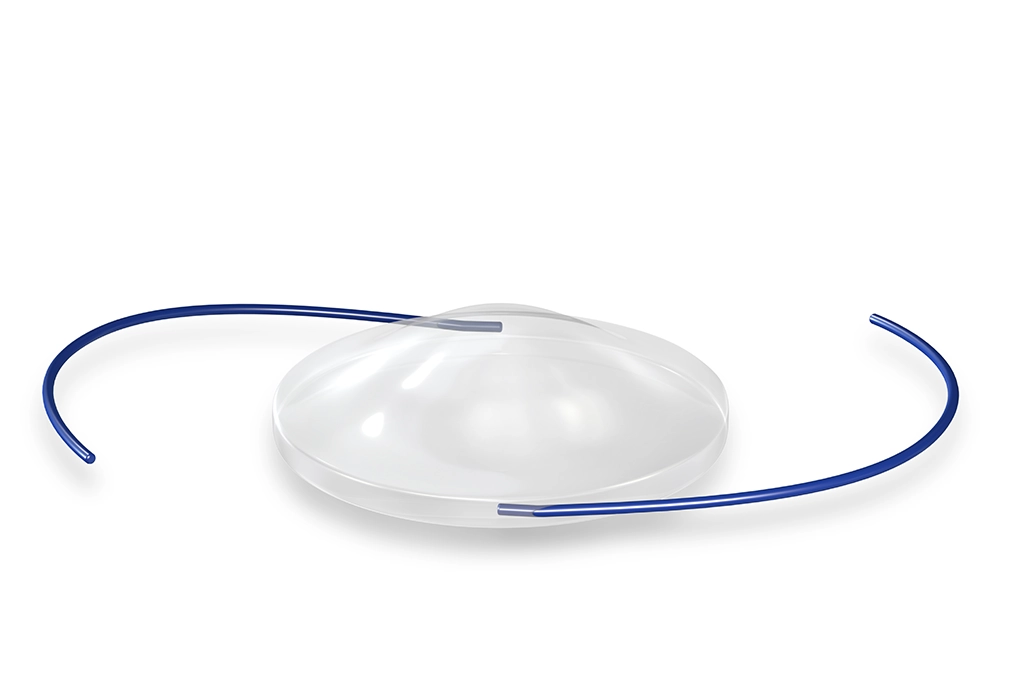
The Light Adjustable Lens works differently because it is made from a photosensitive material that responds to a specific wavelength of UV light, allowing the lens power to be modified after implantation, once the eye has had time to heal.
After healing from the initial surgery, patients return to the office for a series of light treatments, and each session moves the lens power closer to their target prescription. Once vision reaches that target, a final lock-in treatment sets the lens power permanently. The lens gets tuned to how a person actually sees, rather than relying only on measurements taken before surgery.
Dr. Doane has worked with this technology since 2008, when he served as an FDA investigator during its clinical trials, and Discover Vision Centers was one of the first three practices in the country to offer it after FDA approval.
Reaching 3,000 implants means thousands of individual light adjustment sessions, thousands of conversations about lifestyle and vision goals, and a level of repetition few surgeons anywhere have matched.
Dr. Doane said,
“I personally surpassed the three thousandth eye implanted with the light adjustable lens. This is a testament to what works and what makes patients the happiest.”
Premium lens technology changes often. New multifocal designs reach the market on a regular cycle, sometimes every 12 to 18 months, so a surgeon’s preferred lens can shift before a patient even finishes recovering from an earlier procedure.
Dr. Doane has watched that pattern repeat throughout his career.
“New multifocal technology comes out about every twelve to eighteen months. If a surgeon was using lens A in January of 2024, most likely he is not using that lens any longer. With the light adjustable lens, we’re still using effectively the same base lens we started with five or six years ago.”
That consistency lets the surgical team refine their technique on a single platform instead of relearning a new lens every time the market changes. It also aligns with a broader shift in what cataract surgery is meant to accomplish. Cataract surgery used to mean removing the cloudy lens and replacing it with something that restored basic clarity. Today the goal is functional vision at every distance a patient uses in daily life, not just distance vision but intermediate and near vision as well, so reading a phone screen or a car dashboard doesn’t require a separate pair of glasses.
The Light Adjustable Lens depends on more than the surgeon who performs the operation.
Dr. Liz Bell, OD, is part of the team that manages the light adjustment appointments between surgery and the final lock-in, and her job is to turn a patient’s specific vision goals into the settings that will get them there.
“That’s why we would do the light adjustable lenses, to make sure that we can suit all of the patient’s highly individual needs,” she said. “If you can give me a list of requests, my job is to be able to deliver you vision that meets those requests.”
That level of customization is what separates the Light Adjustable Lens from a standard implant, and it takes a full team to manage, not just the person in the operating room.
One case Dr. Bell recalls shows how specific those requests can get. She worked with a pilot who wanted a full range of vision for his job.
“We can give him exactly what he needs and then test it in the real world to make sure we’re gonna end up with what he wants before we’re finished,”
she said. That real-world test is only possible because the lens can still be adjusted after implantation. A presbyopic patient who needs sharp near vision for detailed work has different requirements than a pilot who needs strong distance vision and depth perception, and the light adjustment process lets the team fine-tune either outcome rather than estimating it in advance.
Surgeons who use the Light Adjustable Lens often describe less uncertainty after surgery, since the light adjustment process gives the team a chance to correct the outcome before anything becomes permanent.
Patients notice the difference in how their vision turns out, and many return to thank the team once their results are finalized. Three thousand cases means Discover Vision Centers has worked through this process across thousands of different sets of patient goals, whether that goal is full-range functional vision after cataract surgery or a specific request from someone whose job depends on precise vision at a certain distance. For the next patient walking through the door, that experience means fewer surprises and more say in the final outcome.
Curious whether the Light Adjustable Lens is right for your cataract surgery? Schedule an appointment at Discover Vision Centers in Kansas City, MO, today!