Updated: December 08, 2025
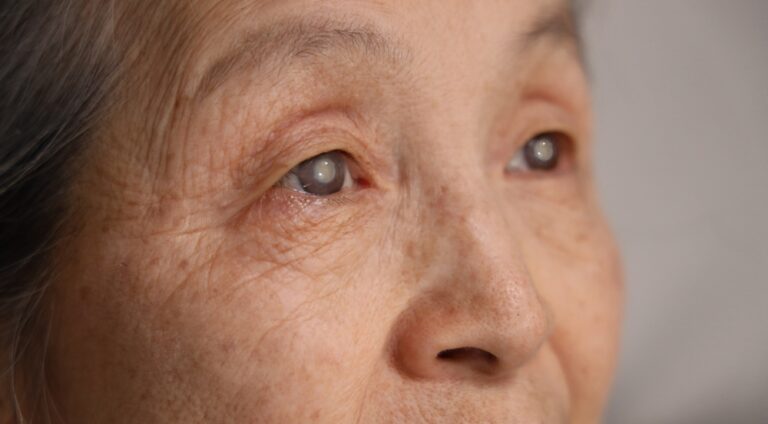
Receiving a glaucoma diagnosis can feel overwhelming, and many patients worry about losing their vision completely.
However, glaucoma blindness is not inevitable. When caught early and managed properly, most people with glaucoma maintain functional vision throughout their lives. Modern treatments can slow or even halt the progression of this condition, protecting the sight you have today.
This silent progression makes regular eye exams essential, especially if you have risk factors. Keep reading to learn how glaucoma affects your eyes, what treatments can protect your vision, and why early detection makes all the difference!
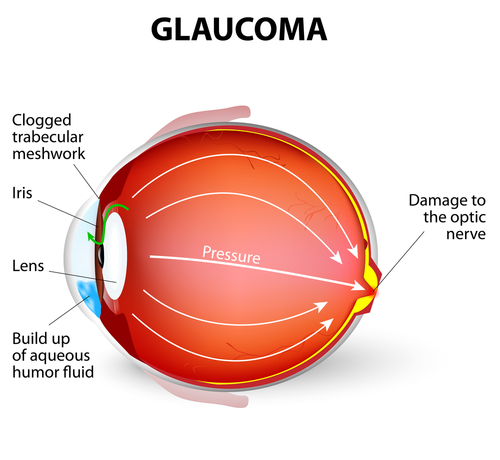
No, glaucoma does not always lead to blindness. While glaucoma is a serious condition that damages the optic nerve over time, most patients who receive proper treatment never experience complete vision loss.
Early diagnosis, consistent monitoring, and good eye-pressure control remain the most important factors in preserving vision.
Glaucoma typically progresses very slowly. Vision loss begins at the edges of your visual field, which makes it difficult to notice at first. Many patients live with glaucoma for years or even decades while maintaining their central vision and ability to perform daily activities.
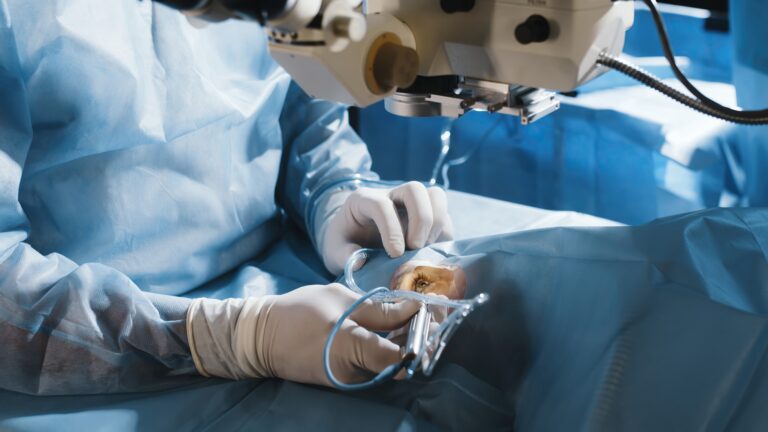
The difference between maintaining vision and losing it often comes down to early detection and treatment adherence. When eye pressure remains controlled through medication, laser treatment, minimally invasive glaucoma surgeries (MIGS), or traditional glaucoma surgery, further damage to the optic nerve can often be prevented or significantly slowed.
Discover Vision Centers provides comprehensive glaucoma care, including regular monitoring to track any changes in your condition. The ophthalmologists use advanced diagnostic technology to catch even subtle signs of progression, allowing for timely adjustments to your treatment plan.
Regular eye exams become even more important after a glaucoma diagnosis. These visits allow your eye doctor to measure your eye pressure, examine your optic nerve, and test your peripheral vision.
In addition to annual exams, keeping all scheduled follow-up appointments is essential for patients with glaucoma. Many patients require multiple visits each year to monitor pressure, repeat testing, and ensure their treatment remains effective.
Skipping follow-ups, even when your vision feels normal, can allow silent progression to continue unnoticed. When problems are identified quickly, treatments can be modified before significant vision loss occurs.
The greatest danger of glaucoma lies in its silent progression. Understanding why this condition threatens vision can help you appreciate the importance of proactive care and regular monitoring.

Most people with open-angle glaucoma, the most common form of the disease, experience no pain or obvious symptoms as it develops. Your eyes may look and feel completely normal.
The damage occurs so gradually that your brain compensates for the missing areas of vision. By the time you notice problems with your peripheral vision, significant optic nerve damage may have already occurred.
This is why glaucoma is often called the “silent thief of sight.” You might not realize anything is wrong until you’ve lost a substantial portion of your visual field.
Some patients first notice difficulty with tasks like driving, where peripheral awareness matters, or bumping into objects on the side.
Once the optic nerve is damaged by glaucoma, that damage cannot be reversed. The nerve fibers that carry visual information from your eye to your brain do not regenerate.
This makes prevention the cornerstone of glaucoma care. Every treatment, from eye drops to surgery, focuses on preventing new damage rather than restoring lost vision.
This reality underscores why catching glaucoma early matters so much. The vision you have when diagnosed is the vision you can potentially preserve. Treatments work by lowering the pressure inside your eye, which reduces stress on the optic nerve and slows or stops further deterioration.
While open-angle glaucoma progresses slowly over months or years, angle-closure glaucoma can develop suddenly. This type occurs when the drainage angle in your eye becomes blocked rapidly, causing a sharp spike in eye pressure.
Angle-closure glaucoma is a medical emergency that requires immediate treatment to prevent rapid vision loss. Symptoms include severe eye pain, headache, blurred vision, and seeing halos around lights.
Glaucoma treatment focuses on lowering the pressure inside your eye to protect your optic nerve from further damage. Several effective treatment options exist, and your eye doctor will recommend the approach that best fits your specific situation.
Most patients begin treatment with prescription eye drops. These medications work in different ways to reduce eye pressure.
Some decrease the amount of fluid your eye produces, while others improve the drainage of fluid from the eye. Many patients use a combination of drops to achieve the best pressure control.
Consistency matters significantly with eye drop therapy. Skipping doses or stopping your medication without consulting your doctor can allow pressure to rise again, putting your optic nerve at risk.
Approximately 50 percent of patients do not comply with a daily drop regimen, which is one reason laser treatments like SLT can be such an effective first-line or adjunct option.
While remembering to use drops daily can be challenging for some people, establishing a routine can help. Many patients keep their drops near their toothbrush or set phone reminders so they don’t accidentally forget.
Laser treatments can be used as a first line or treatment or when eye drops alone cannot adequately control eye pressure, laser treatment offers an effective next step. Selective Laser Trabeculoplasty (SLT) uses targeted laser energy to improve drainage through the eye’s natural filtration system. The procedure takes only a few minutes in the office and typically causes minimal discomfort.
Discover Vision Centers offers a range of minimally invasive glaucoma surgery (MIGS) options, which are often recommended for patients with mild to moderate glaucoma, especially when combined with cataract surgery. MIGS procedures enhance fluid outflow using microscopic devices or small incisions, offering pressure reduction with a lower risk profile and faster recovery compared to traditional surgeries.
For patients with more advanced glaucoma or those who do not respond adequately to medications and laser treatment, surgery provides another option. Surgical procedures create new drainage pathways for fluid to leave the eye or reduce fluid production.
These operations range from minimally invasive procedures to more extensive surgeries that create entirely new drainage channels.
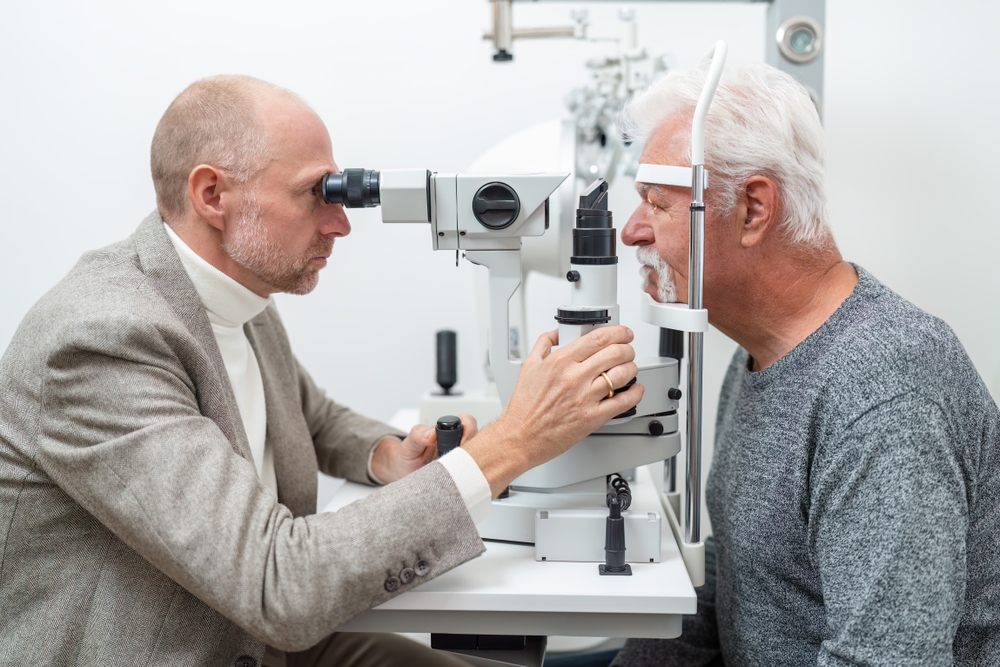
Regular comprehensive eye exams represent your best defense against vision loss from glaucoma. These exams allow your eye doctor to detect changes in eye pressure and optic nerve health before you notice any symptoms.
For patients at higher risk, annual eye exams are essential. During these visits, your ophthalmologist measures your eye pressure, examines your optic nerve using specialized imaging, and may test your peripheral vision. These measurements create a baseline that helps identify any concerning changes over time.
If you already have a glaucoma diagnosis, consistent monitoring becomes even more important. Your eye doctor needs to verify that your current treatment is adequately controlling your eye pressure. Sometimes treatments that worked well initially become less effective over time, requiring adjustments.
Are you due for a comprehensive eye exam, or do you have concerns about your glaucoma risk? Schedule an appointment at Discover Vision Centers in Kansas or Missouri today!


We are closed Monday (05/25)! Urgent Care is also closed Saturday (05/23)!
We are closed Friday (07/03)!
We are closed Monday (09/07)! Urgent Care is also closed Saturday (09/05)!
We are closed Thursday (11/26) and Friday (11/27)! Urgent Care is also closed Saturday (11/28)!