
Updated: November 03, 2026
Diabetic eye disease is a group of eye conditions that can develop when high blood sugar damages the eyes over time, and the most common of these affects the retina at the back of the eye.
When blood sugar stays elevated, the tiny blood vessels that feed the retina gradually weaken, leak, and in some cases close off, often without causing any noticeable symptoms at first. Tight blood sugar control can slow this process and may keep early changes from progressing, but it cannot repair damage that has already occurred.
Knowing how the disease develops makes it easier to see what your daily diabetes care is protecting and when your eyes need more than good numbers.
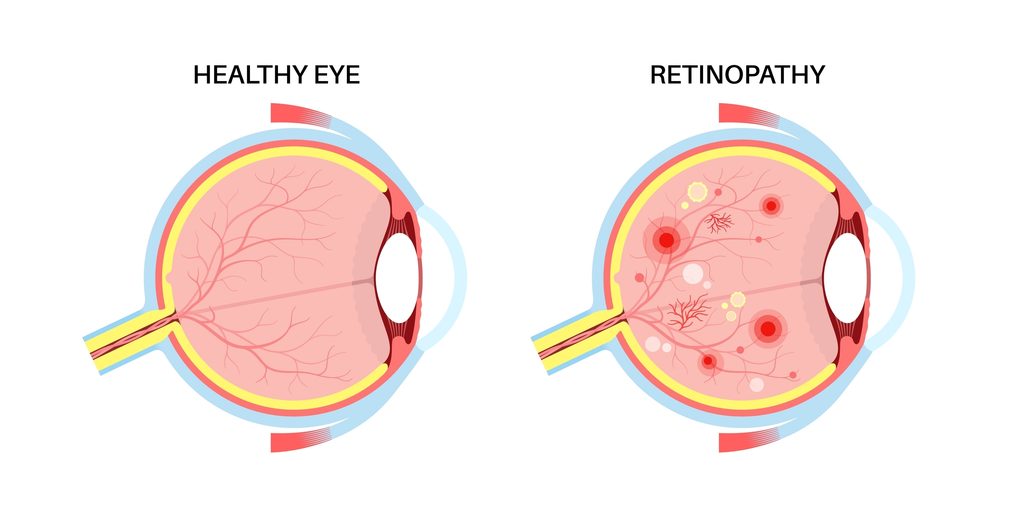
The retina is the light-sensitive tissue lining the back of your eye, and it depends on a network of tiny blood vessels to stay healthy. When blood sugar stays high for long stretches, those vessel walls weaken. They can bulge, leak fluid, or bleed small amounts into the retina. This process is called diabetic retinopathy, and in its early stages it usually causes no pain and no noticeable change in vision.
Over time, a damaged retina may start growing new blood vessels to make up for poor circulation. These new vessels are fragile and bleed easily, and they can lead to scar tissue that pulls on the retina.
Fluid can also collect in the macula, the small central area responsible for sharp detail, causing a condition called diabetic macular edema. When symptoms do appear, they may include blurry vision that comes and goes, new floaters, or dark patches in your field of view.

Keeping your blood sugar in a healthy range takes pressure off those small vessels. Fewer spikes mean less ongoing damage, which gives the retina a better chance of staying stable. If your eyes show no signs of retinopathy yet, consistent control can help delay the disease from starting. If you already have mild changes, it can help slow how quickly they advance.
Good control kept up over many years offers the retina more protection than short bursts of effort followed by long stretches of high readings. Day to day, that control comes from the plan you build with your diabetes care team, including taking medications as prescribed, checking your glucose regularly, and keeping meals and activity steady.
Your eye health and your diabetes care also work best when they are connected. Your A1C reflects your average blood sugar over roughly three months, and sharing those results with your diabetic eye care team helps them understand what they see during your exam.
Tight control is essential to preventing damage, but it cannot undo damage that has already happened. Once abnormal blood vessels begin to grow or fluid starts building up in the macula, better blood sugar alone is unlikely to reverse those changes. At that stage, the retina typically needs direct treatment to protect your vision. If you start a new diabetes medication or your numbers drop quickly after a period of high readings, let your eye doctor know so they can decide whether your retina needs closer monitoring for a while.
When diabetic eye disease moves beyond the early stages, treatment can often slow or stop further vision loss. The retina specialists at Discover Vision Centers choose an approach based on what your exam shows:
Your retina specialist will still ask about your recent A1C at each visit, since your overall diabetes management affects how the retina responds during and after treatment.
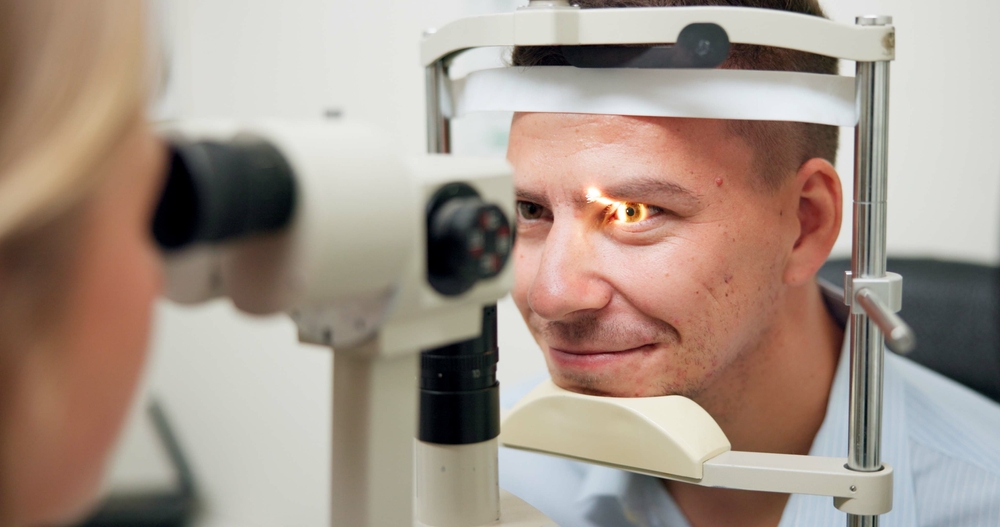
Even with excellent blood sugar control, diabetic eye disease can develop without warning signs.
You may not even notice anything wrong until the damage is advanced. A dilated eye exam allows your eye doctor to see the retina directly and spot small changes, such as tiny bleeds or areas of swelling, long before they affect how you see.
Most people with diabetes should have a dilated exam at least once a year, and your eye doctor may recommend more frequent visits if changes appear. Retinal imaging creates detailed pictures of the retina that can be compared from one visit to the next, making it easier to track subtle progression. Before your appointment, bring a list of your current medications and your most recent A1C result.
These visits also look beyond the retina. Diabetes can cause cataracts to form at a younger age, and it increases the risk of glaucoma, a condition that damages the optic nerve. Your eye doctor can watch for all of these during the same exam.
Want to know how well your eyes are holding up against diabetes? Schedule an appointment at Discover Vision Centers in Kansas City, MO, today!


